If you want to keep the private registration on your Land Rover, sort it out before the sale. Unscrewing the plates does not take the registration off the vehicle’s DVLA record.
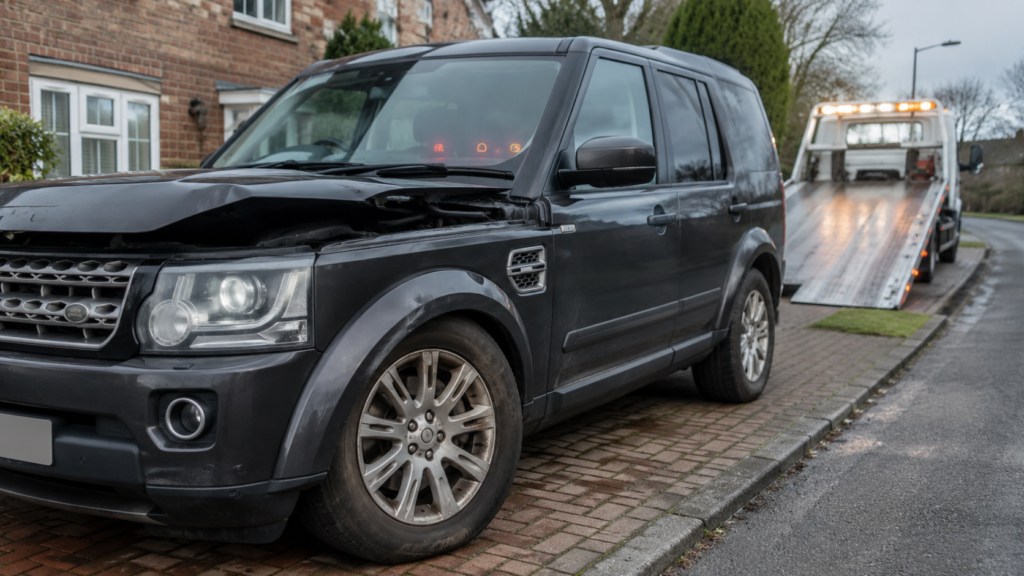
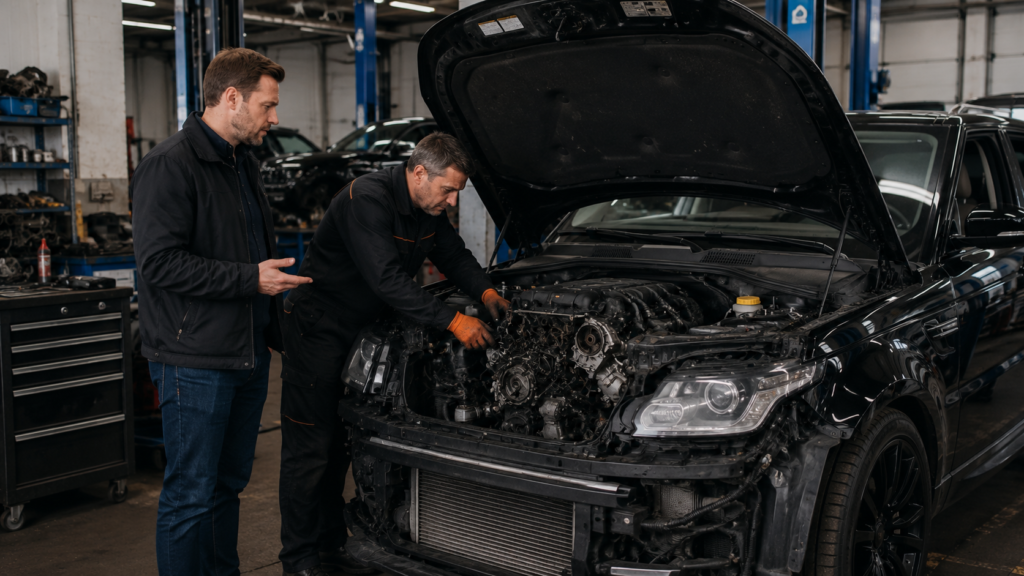
There is an extra complication if the car will not run. The standard retention conditions include being able to move under its own power. Deal with that question before agreeing a handover date, especially if the vehicle has a seized engine or cannot select a gear.
Check the non-runner problem first
DVLA’s private-number retention guidance includes conditions on the vehicle’s registration, movement, inspection availability, test type and tax or SORN history. Current tax or SORN alone does not establish eligibility.
If your Land Rover cannot move under its own power, contact DVLA with the actual circumstances. Do not assume that winching it onto a recovery truck meets the condition, or book repairs solely on the assumption they will make retention possible.
Explain the fault, how long it has been off the road and whether the vehicle is available for inspection. Let DVLA confirm the applicable route before the buyer takes it away.
Agree what the buyer is valuing
Tell the buyer at the quotation stage that you intend to keep the registration. Ask for the offer to reflect the vehicle without the private number, and have that understanding recorded.
A Land Rover with a valuable plate raises two separate decisions: what the vehicle is worth and what you want to do with the registration. Keeping the number should not be left as an informal promise to resolve after collection.
You can still gather vehicle offers while checking the retention position. Send the model, year, mileage and fault details, and explain that the sale date depends on completing the registration arrangements.
What needs to happen before the sale?
For eligible vehicles, DVLA’s application currently costs £80. After successful retention, it says you must have the V778 retention document and the new V5C before selling or scrapping the vehicle. Otherwise you risk losing the right to use the number.
Do not confuse an application being submitted with the paperwork needed for handover being ready. Ask the buyer to keep collection provisional until you can confirm the documents.
Once the replacement registration is known, update the buyer so their records identify the right vehicle. Our broken Land Rover valuation guide explains the other information that helps establish an offer.
Check these points before collection
- The retention position has been confirmed for this vehicle.
- You have the required documents, not just an application receipt.
- The sale record identifies the vehicle’s replacement registration.
- The buyer understands that the private number is excluded.
- Any insurer involved knows about the registration arrangements.
DVLA also requires you to tell your insurer about a changed registration and fit the appropriate plates before driving. Neither step makes an otherwise unroadworthy Land Rover safe to drive.
If the Land Rover has been written off
Speak to the insurer promptly, before agreeing disposal arrangements. Explain that you want to retain the registration and ask how that fits with the claim and vehicle handover. Do not assume that a car-buyer agreement settles an insurer’s requirements.
Keep the retention document private
The V778 concerns your right to the number, rather than the fault with the car. Keep it with your own records. DVLA’s personalised-registration guidance warns against sharing scans or photographs of retention documents online because someone else could use them to assign the number.
Ask us for a vehicle quote and mention the private registration from the start. We can discuss the Land Rover and collection while you establish the retention process with DVLA.
Prepared for We Buy Broken Land Rovers. DVLA sources checked on 13 October 2026.